


WHY JUTE
Jute is one of the most versatile natural fibre, as it is bio-degradable and soil-friendly. It is in great demand due to its softness, lustre and uniformity of its fibre. It is called the ‘brown paper bag’ as it is also the most used product to store rice, wheat, grains & other food commodities. It is also called the ‘golden fibre’ due to its versatile nature.
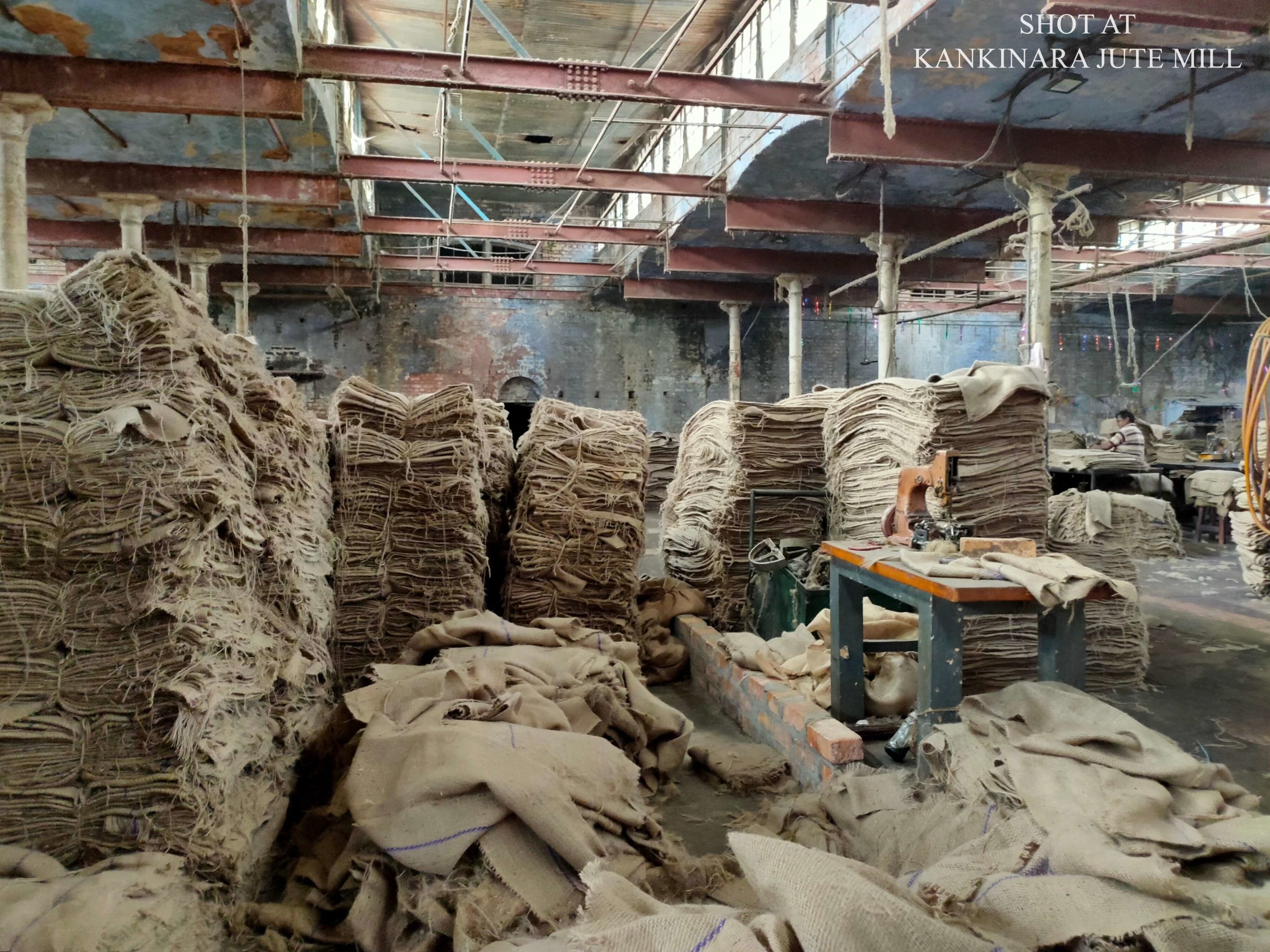
Jute has been used in raw materials for packaging, textiles, non-textile, construction & agricultural sectors. It is used in the manufacture of a number of fabrics, such as Hessian cloth, sacking, scrim, carpet backing cloth (CBC), and canvas. Hessian, lighter than sacking, is used for bags, wrappers, wall-coverings, upholstery, and home furnishings. Sacking, a fabric made of heavy jute fibre, has its use in packing materials that do not need special protection.
The UNESCO has strongly recommended the use of jute and natural fibre for packaging of food materials, particularly. Many countries make it mandatory to use jute as packaging material for food grain. Being environment-friendly, jute receives protection against cheaper packaging material such as plastic.